

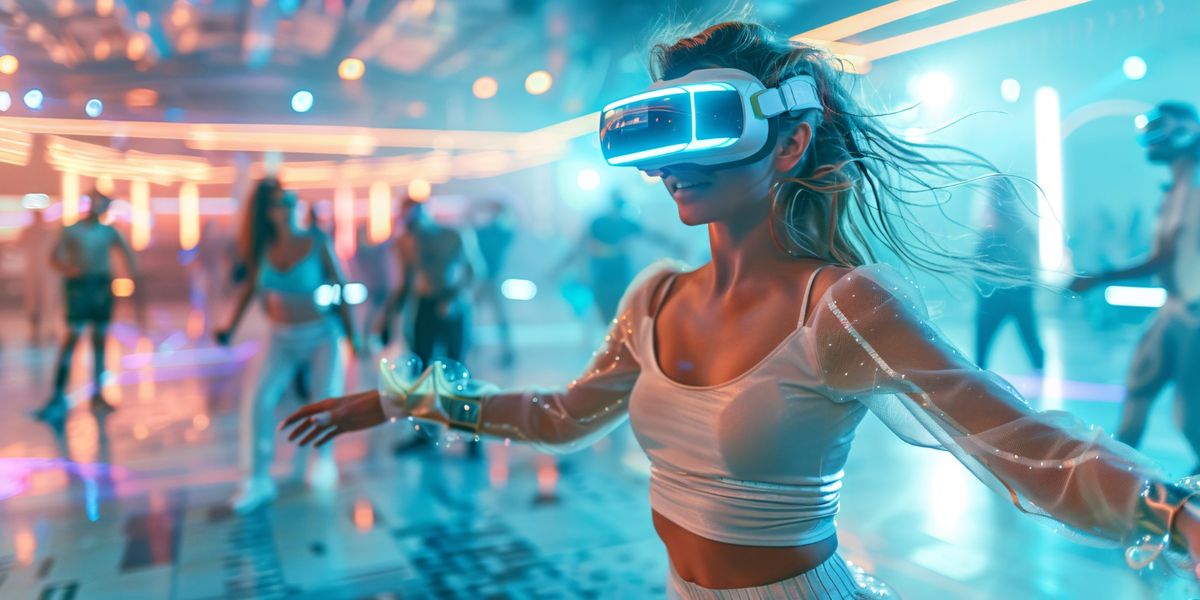
In an era where technology defines how we connect and engage, Virtual Reality (VR) has emerged as a transformative force in the event planning and marketing industries. From immersive virtual conferences to interactive brand showcases, VR events are revolutionizing customer engagement by offering innovative, boundary-less experiences.
This article delves into how VR events are changing the landscape of engagement, the benefits they bring to businesses and customers, and what the future holds for immersive event planning.
What Are VR Events?
Virtual Reality events use VR technology to create fully immersive, interactive environments for participants. These events can range from virtual product launches and trade shows to virtual conferences where attendees interact with speakers, other participants, and content in a 3D digital space. Unlike traditional virtual meetings, VR events simulate the feeling of being physically present in a dynamic, interactive setting.
Amaspace offers advanced VR tools and solutions to help businesses design tailored experiences, making it easier than ever to host engaging and memorable virtual events.
Benefits of VR Events for Businesses
1. Enhanced Customer Engagement
One of the biggest advantages of VR events is their ability to captivate and engage audiences. VR's immersive nature allows participants to interact with content in ways that go beyond the limitations of traditional 2D screens. Attendees can explore virtual venues, engage with product demonstrations, and even network in realistic digital spaces.
For example, a virtual trade show can include 3D booths where customers can interact with products, watch demos, or speak to representatives—all without leaving their homes.
2. Global Accessibility
By eliminating geographical barriers, VR events make it possible for businesses to reach a global audience. A virtual conference can welcome attendees from around the world, fostering inclusivity and expanding market reach.
Companies can use tools like those offered by Amaspace to create scalable VR solutions that accommodate diverse audience sizes and needs.
3. Cost-Effective Solutions
Hosting a VR event significantly reduces logistical costs associated with traditional events, such as venue rental, travel, and accommodation. Businesses can redirect these savings into enhancing the quality of the VR experience or expanding their marketing efforts.
4. Data-Driven Insights
VR platforms often come equipped with analytics tools that track attendee behavior, preferences, and engagement. These insights help businesses refine their strategies and deliver more personalized experiences.
Use Cases: Revolutionizing Event Planning
1. Virtual Product Launches
Brands are using VR to launch products in highly interactive settings. Imagine a customer being able to test-drive a car or explore a new product in a virtual environment, guided by a digital brand ambassador.
2. Immersive Conferences and Seminars
Virtual conferences allow businesses to host keynote speeches, breakout sessions, and panel discussions in fully immersive environments. Attendees can interact with speakers, ask questions, and even network with other participants—all from the comfort of their homes.
3. Training and Workshops
VR events are ideal for hosting training programs and workshops, particularly in industries that require hands-on experience. For instance, VR workshops can simulate real-world scenarios, allowing participants to practice skills without any risks.
4. Interactive Brand Campaigns
Marketing teams can use VR to create unique brand experiences. For example, a virtual pop-up store can allow customers to browse products, try them out virtually, and make purchases—all within the VR space.
Future of Immersive Event Planning
As VR technology continues to advance, the possibilities for immersive event planning are expanding rapidly. By 2025, VR events are expected to integrate even more advanced features, such as:
Platforms like Amaspace are at the forefront of these innovations, offering businesses the tools they need to stay ahead of the curve in customer engagement.
Tips for Planning a Successful VR Event
Conclusion
In a world increasingly driven by digital innovation, VR events are redefining the way businesses connect with their audiences. From virtual conferences to immersive brand campaigns, these events offer unparalleled opportunities to engage, educate, and inspire.
By leveraging tools like those provided by Amaspace, businesses can stay ahead of the curve and deliver unforgettable experiences. As we move into the future, immersive event planning will continue to shape how we interact, collaborate, and grow in the digital age.
Whether you're a business owner, event planner, or marketer, now is the time to embrace the potential of VR events and revolutionize the way you engage with your audience.